R.E.P.O. Advanced Walkthrough: Hard Mode, Rare Encounters & Team Coordination
Once you've cleared all four maps on the default difficulty, R.E.P.O. changes. The quotas get bigger. The monsters get smarter. The grace periods get shorter. The game stops holding your hand — not that it ever really did — and starts actively trying to break your squad.
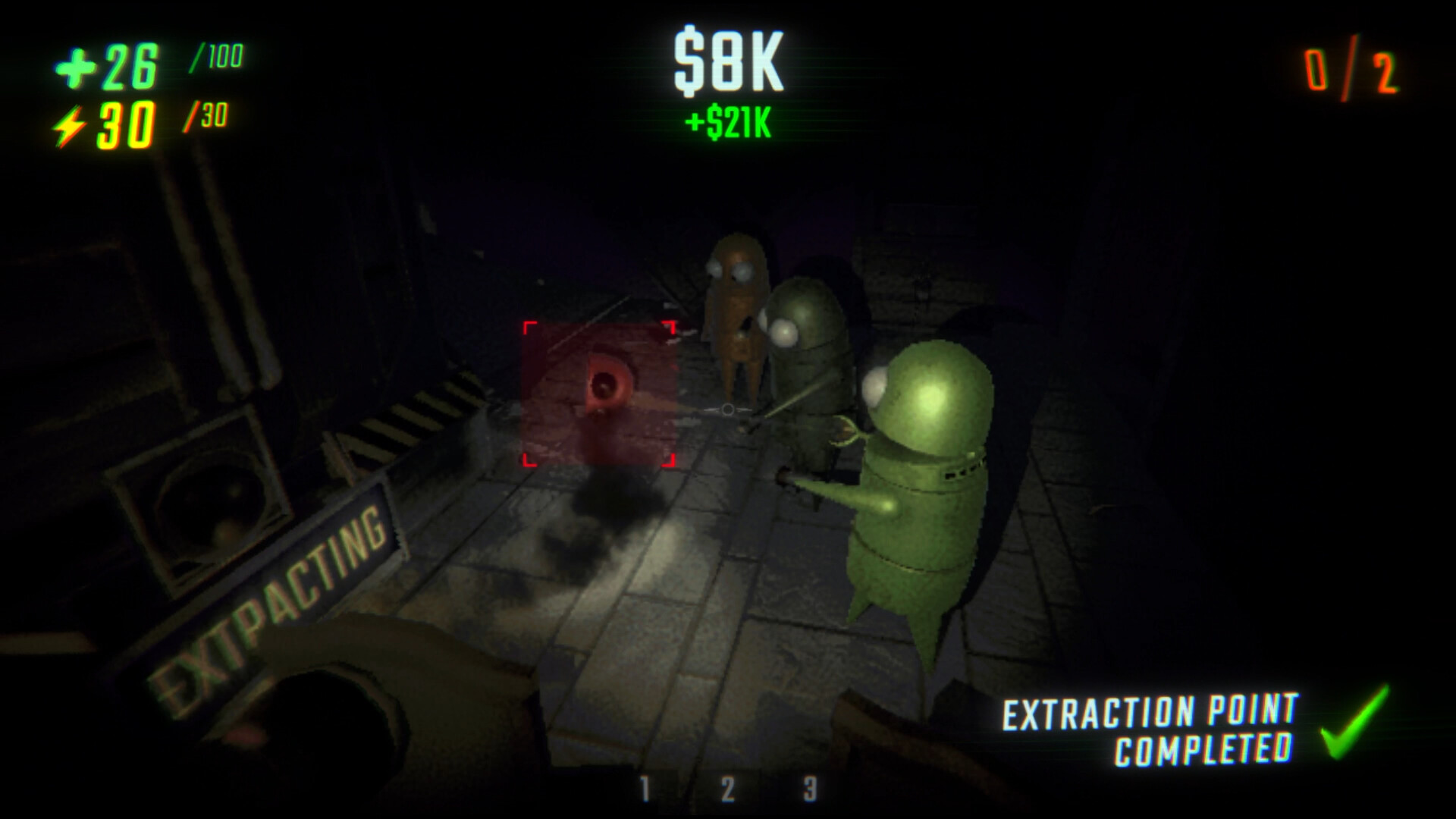
I hit this wall around hour thirty. My team had been cruising. We knew the maps. We knew the monster types. We had our roles figured out. And then suddenly we couldn't extract. Five wipes in a row. It wasn't the game being unfair — we had just hit the skill ceiling for our current approach and needed to change everything.
Here's what changed and why it worked.
The Difficulty Curve Nobody Talks About
R.E.P.O. doesn't have a difficulty selector. The difficulty scales based on your squad's success rate. Win consistently and the AI director — what the community calls "the Entity" — ramps up monster spawns, shortens your soft timer, increases quotas, and starts deploying rare monster variants you haven't seen before.
This is why some teams hit a wall. The game they were winning last week is not the game they're playing this week. The monsters are faster. The patrols overlap more. The extraction window shrinks. Everything you learned still applies, but your margin for error disappears.
The first sign you've entered this phase: you start seeing two monsters in the same corridor. Before, they patrolled separately. Now they move in pairs. This changes everything about your approach because you can't just wait out one patrol — you need a window where both are elsewhere.
Playing Faster, Not Slower
My initial reaction to losing was to play more carefully. Crouch everywhere. Wait longer. Check every corner twice. This was wrong.
R.E.P.O. punishes slow play on higher difficulty. The longer you take, the more monsters spawn. The more monsters spawn, the harder it is to move. The harder it is to move, the longer you take. It's a death spiral.
The solution is counterintuitive: play faster but smarter. Know your loot route before entering the map. Have a plan for the first three minutes. If a room is too hot, skip it immediately — don't wait for it to cool down, just go somewhere else. Momentum matters.
My squad started timing our first three minutes with a stopwatch. Goal: hit 40% quota by the three-minute mark. If we were behind, we knew we needed to push harder or extract early. If we were ahead, we had options.
Rare Monster Variants
After enough successful runs, you start seeing things the wiki barely documents. Monster variants with different behaviors. Monsters that ignore the usual rules about what triggers them. Monsters that appear in places they shouldn't.
I've encountered a sound hunter on Museum of Human Art — a map where sound hunters usually don't appear — that tracked by both sound AND sight. My usual crouch-walk counter didn't work because it saw me while I was trying to be quiet. We wiped. I still don't know if that was a rare variant or a bug. In R.E.P.O., sometimes it's hard to tell the difference.
These rare encounters aren't well-documented. The game's wiki is incomplete because Semiwork keeps updating monster behaviors and adding new variants. What worked last month might not work this month. Stay flexible.
The best counter for rare variants is information. If your Spotter calls out something unusual — "this one is moving faster than normal" or "it saw me through the wall" — believe them immediately and change plans. Don't assume the usual rules apply.
Extraction Under Pressure
On higher difficulty, the C.A.R.T. extraction phase is genuinely scary. Monster density is higher. The call-in delay feels longer. The loading process — which is physics-based, remember — becomes frantic.
One technique that saved us: pre-positioning. Before calling the C.A.R.T., designate a loading order. Who grabs what. Who defends. Who watches which approach. Everyone knows their job before the chaos starts.
Another: the sacrificial loot drop. If the C.A.R.T. has arrived and a monster is heading toward your position, drop the least valuable item and run. Losing §200 of loot is better than losing everything. The monster might investigate the dropped item, buying you seconds.
The C.A.R.T. door is not instant. It has an animation. It has a closing delay. I've watched teammates die in the doorway because they were one second too late. When the extraction timer hits five seconds, whatever you're holding is what you're extracting with. Stop grabbing things and get in.
Squad Communication at High Level
Basic callouts — "monster north," "room clear," "extracting" — are fine for normal difficulty. On hard, they're not enough. You need shared mental models.
My squad developed a shorthand. "Hot" means a room has a monster in it and we're not engaging. "Cold" means it's clear. "Warm" means there's a monster nearby but not in the immediate area. "On me hot" means I'm being chased. "On me cold" means I have loot and need an escort.
We also started using relative positions instead of compass directions. "Behind you" is faster to process than "south." "Left side, two rooms down" is more actionable than coordinates.
The tone thing I mentioned earlier becomes critical here. If someone's voice goes up an octave, the situation is actually dangerous. If they're speaking normally, it's probably manageable. The tone is information. Pay attention to it.
When to Walk Away
On high difficulty, some runs are just not winnable. The monster spawn pattern at the start. The quota requirement. The map layout. If the first room you enter has two monsters and a rare variant, restart.
This isn't giving up. It's resource management. A ten-minute doomed run is ten minutes you could have spent on a fresh start with better conditions. The game doesn't penalize restarts. Your ego might, but your ego also can't extract loot.
I still struggle with this. Something in me wants to salvage every run. But after enough wipes, you learn to recognize the difference between a challenging situation and an impossible one. If the quota is at §3,000 and your squad is down to two players with no health items, extract with whatever you have. A partial extraction beats a full wipe.
R.E.P.O. is about making hard calls under pressure. The hardest call is sometimes admitting a run is over and trying again.