R.E.P.O. Upgrades & Loadouts Guide: What to Buy at the Service Station
The Service Station is where good runs become great runs and bad decisions become wipe compilations. It pops up between each map — a brief respite where you and your squad spend SURPLUS currency on permanent upgrades that carry between runs. Getting the order right matters. Getting it wrong means you're under-equipped when the difficulty spikes.
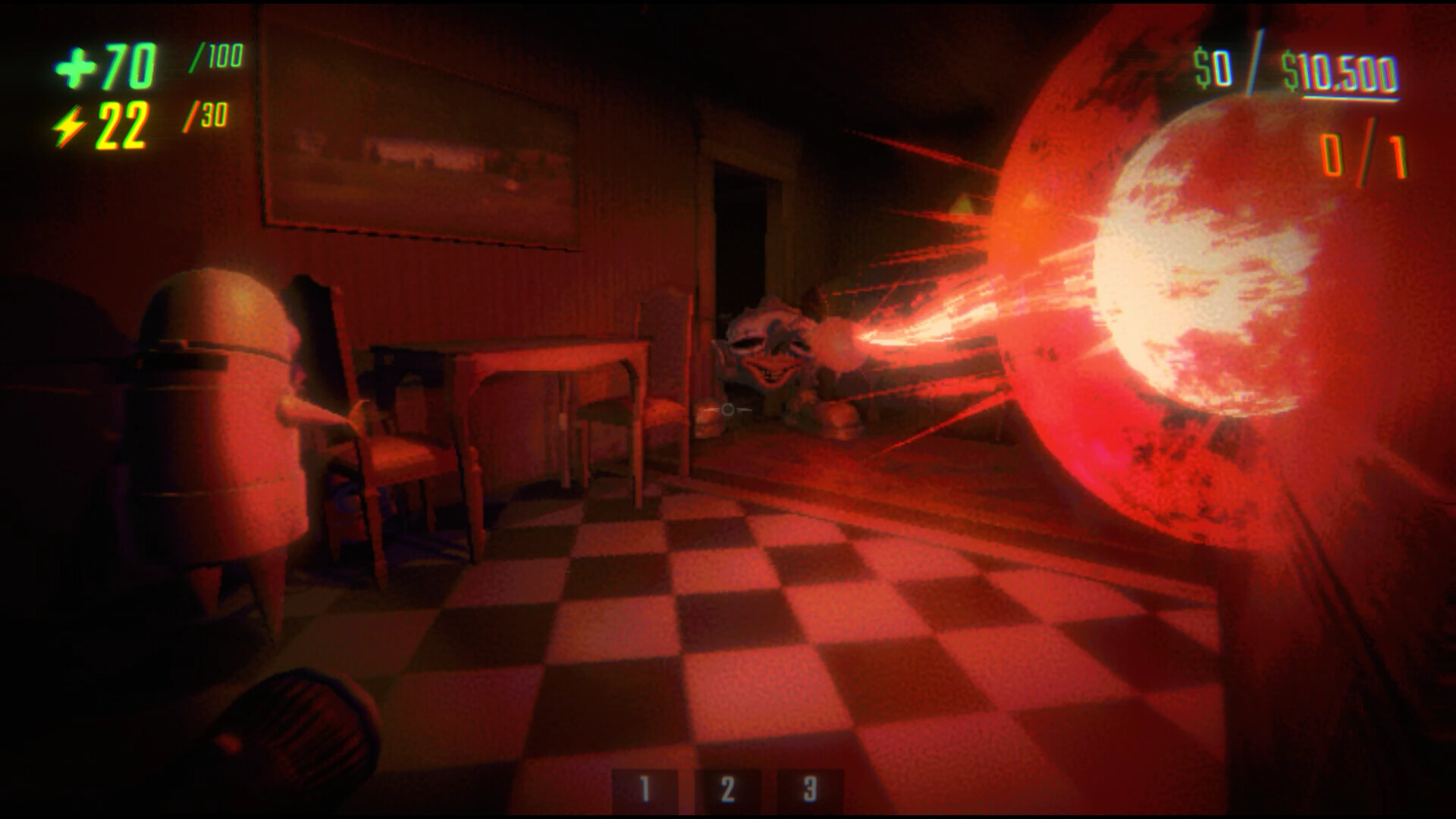
I want to be honest about something: I wasted my first 2,000 SURPLUS on a weapon I never use. It looked cool. It had big damage numbers. But it weighed too much, cost too much to reload, and slowed me down enough that monsters caught me more often, not less. That's when I realized R.E.P.O.'s upgrade system isn't about maximizing numbers — it's about fitting your playstyle and your squad's needs.
Here's what I've settled on after testing pretty much every upgrade path.
Stamina First, Always
This is the one thing I'll argue about with anyone. Stamina is the most impactful single upgrade in the game. Without it, you can't carry heavy loot. You can't sprint long enough to escape. You drop items more often, and dropped items lose value — or break entirely. The physics engine doesn't care about your feelings.
A stamina upgrade at the first Service Station means you can carry that §600 sculpture from the center of McJannek Station all the way to the C.A.R.T. without stopping. Without it, you're making three trips, each one a separate risk of monster encounter.
Get stamina first. Get a second point of stamina by your third or fourth upgrade. After that, you have flexibility. But those first two points make everything else in the game easier.
Health: The Safety Net
Health upgrades give you one extra hit before death. At baseline, most monsters kill you in two hits. Some kill you in one. With one health upgrade, you survive that second hit with a sliver of health. That sliver is the difference between extracting and watching your ragdoll bounce down stairs.
I buy health as my second upgrade every time. It's boring. It's not flashy. But it's prevented more wipes than any weapon ever could.
After the second health upgrade, the returns diminish. You're better off putting SURPLUS into tools or team utility than stacking health past the point where you can survive two hits from anything.
Tools: The Game Changers
Tools are where R.E.P.O. gets interesting. The Service Station offers gadgets that change how you interact with monsters and the environment.
A scanner upgrade that shows monster outlines through walls. A noise-making device you can throw to draw monsters away from your loot path. A light source that doesn't attract attention. A device that lets you see which items are most valuable before picking them up.
I've found that splitting tool purchases across the squad works better than one person buying everything. One person gets the scanner. One person gets the noise device. One person gets the value scanner. That way you have coverage without anyone being a one-trick loadout.
The noise device in particular is underrated. Most new players skip it because it doesn't do damage. But being able to send a monster to the opposite side of the map while your team loots uncontested — that's better than any gun.
Weapons: The Last Resort
I buy weapons last. I mentioned this already but it bears repeating because every new player does the opposite.
The starting melee shove works fine for early maps. Most monsters can be avoided entirely. The ones that can't be avoided can usually be dealt with by four Semibots shoving in unison. Weapons are for when everything else fails.
When you do buy weapons, think about role fit. If you're the Carrier, buy something light that doesn't slow you down further. If you're the Distractor, buy something loud and attention-grabbing. If you're the Spotter, buy something with range so you can engage from your observation position.
Don't all buy the same weapon. A squad with four identical loadouts has four times the same weakness. Diversify. One person with range. One person with burst damage. One person with stun or knockback. One person with a backup melee weapon.
Squad Spending Strategy
After each successful extraction, have a quick discussion about who's buying what. Five minutes of planning in the Service Station saves you from discovering mid-run that nobody bought a scanner and now a monster is eating your Carrier.
Here's a rough priority order that works for most squads:
Before the second map, the Spotter gets a scanner upgrade. The Carrier gets stamina. The Runner gets health. The Distractor gets a noise device.
Before the third map, everyone who hasn't gotten stamina yet gets stamina. Anyone still at baseline health picks up at least one health upgrade. The Spotter upgrades their scanner further.
From the fourth map onward, specialize. The Carrier invests in carrying capacity. The Runner gets speed and stamina. The Distractor gets better distraction tools and survivability. The Spotter maxes out information gathering.
This isn't rigid. If your squad composition is different, adjust. But the principle holds: utility before damage, information before firepower, survival before everything.
What I Wish Someone Told Me
The upgrades you skip matter as much as the upgrades you buy. Every SURPLUS spent on something you don't use is SURPLUS not spent on something you need. The weapon that looks cool in the Service Station shop doesn't feel cool when you're being chased and can't run because it weighs too much.
On the flip side, don't hoard SURPLUS. Spending nothing because you're waiting for the "perfect" upgrade means you're running maps under-equipped. Buy what helps now. You'll earn more.
And one last thing: upgrades are permanent across runs, but they're per-player. If your regular squad has different schedules and you need to play with randoms sometimes, invest in self-sufficiency. Don't build a loadout that only works when your specific teammates are online.