R.E.P.O. Monster Guide 2026 — How to Survive Every Enemy Type (Attack Patterns, AI & Counter Tactics)
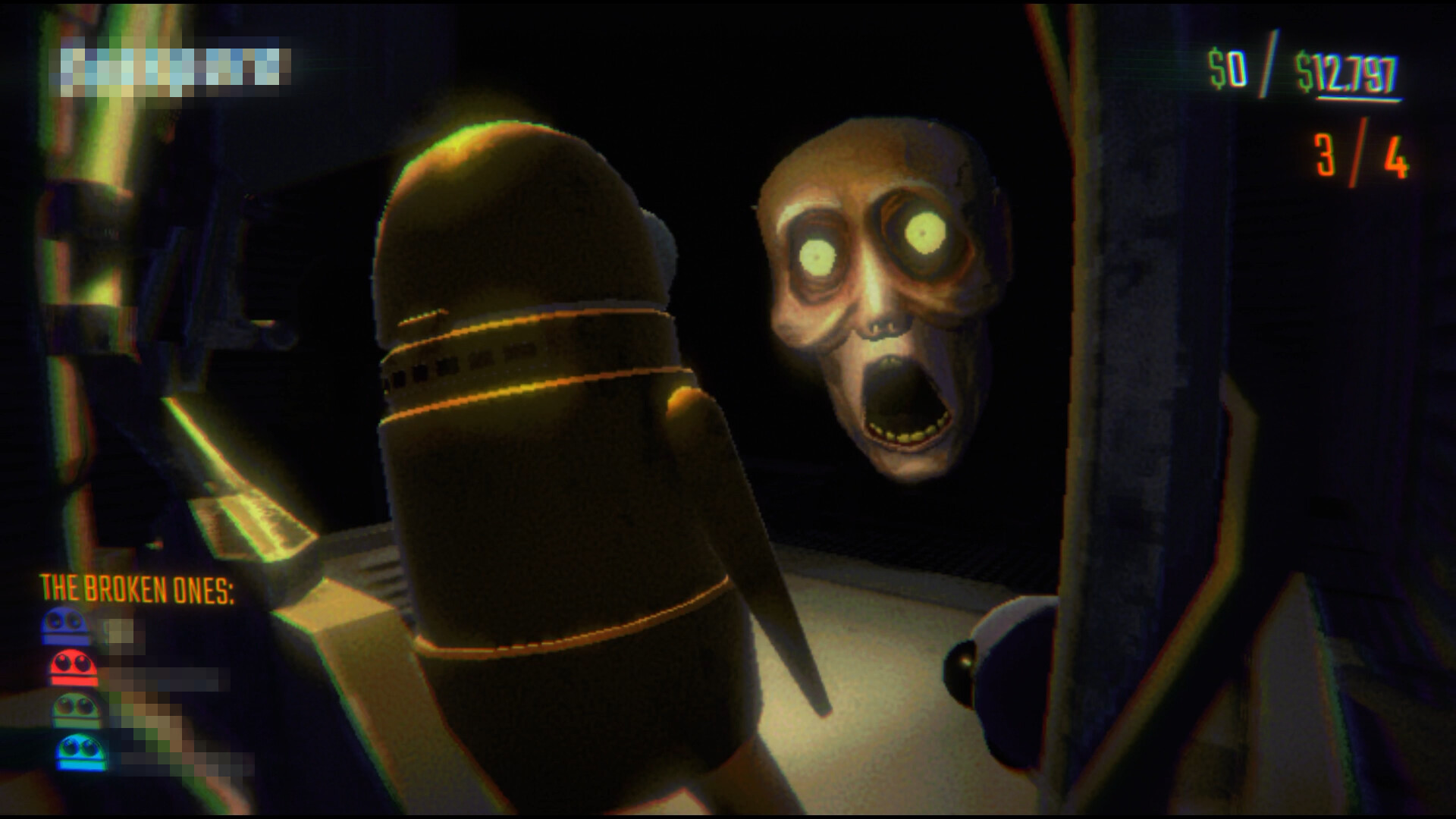
Every monster in R.E.P.O. has killed me at least once. Some of them twice. The sound-hunting ones have killed me so many times I lost count. But after enough runs, the AI behaviors become predictable. Here is what actually works.
How Monster AI Works
R.E.P.O. monsters use three detection systems:
Sound detection: Most monsters react to noise. Running footsteps, throwing objects, using tools, even voice chat can alert enemies. Crouch-walking reduces your sound radius to near zero. The physics engine means dropped items make noise based on weight — a heavy statue hitting the floor alerts monsters two rooms away.
Sight detection: Some monsters have cone-based vision. Breaking line of sight works, but they remember your last known position and search that area. Ducking behind furniture or closing doors blocks sight.
Proximity detection: A few enemies do not need sight or sound. They sense vibration or patrol with wide detection radii. Distance is the only defense.
Sound Hunters
These are effectively blind but their hearing radius is about 15 to 20 in-game meters depending on the variant. A sprinting Semibot might as well be ringing a dinner bell.
The counter is simple: crouch-walk everywhere when they are nearby. Do not run, do not jump, do not throw objects. Use push-to-talk. Open mics have ended runs because a dog bark alerted a sound monster.
Pro tip: throw a small object into a far corner. The impact draws sound hunters to investigate. While they move toward the noise, slip past on the opposite side. Works about 70% of the time.
Sight-Based Monsters
These cannot hear you but their vision cones are wide and detection range runs about 25 meters on open maps. Break line of sight and keep it broken. Duck behind furniture. Close doors. Use pillars and walls. Some sight monsters have a predictable head-turn pattern: left, right, pause three seconds. Move during the pause.
On maps like Museum of Human Art, the gallery halls are long and open with almost nothing to hide behind. Stay low, move from exhibit to exhibit. The pedestals and display cases are your only cover.
Weird observation: some sight monsters react differently to crouched versus standing players. Standing gets you spotted instantly. Crouching sometimes makes them stare right through you. Crouch more.
Ambush Monsters
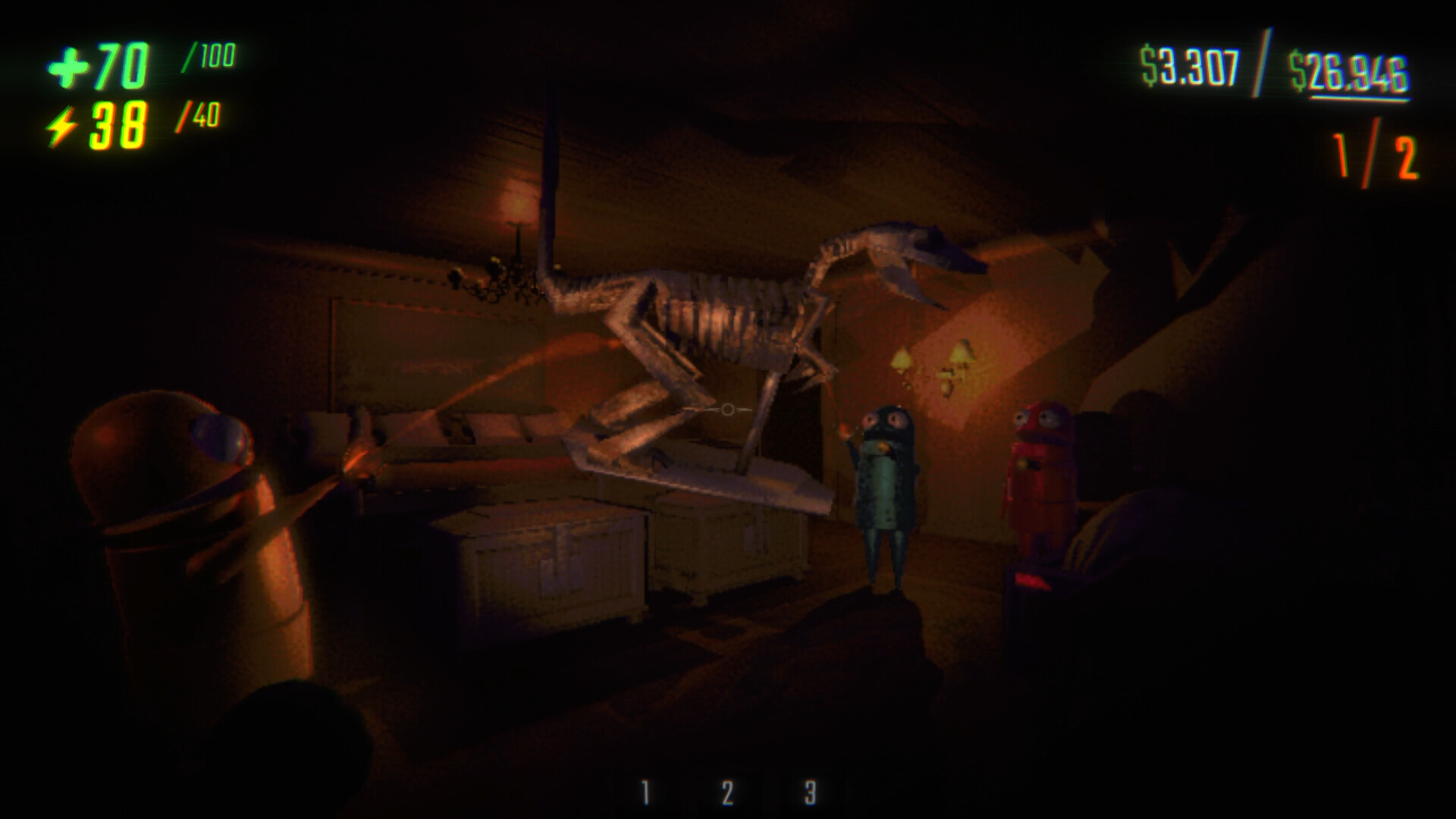
These do not patrol. They wait under furniture, behind doors, inside what looks like an empty room. The first sign is usually your corpse ragdolling across the floor.
The only reliable counter is learning spawn tendencies. On Headman Manor, check behind large furniture before looting. On Swiftbroom Academy, scan classroom corners before entering. Treat closed doors with suspicion on all maps.
After enough runs, you notice tells. A room that is too quiet. Furniture positioned slightly wrong. A faint sound cue that does not match anything. It is not a science, but the feeling develops around your twentieth ambush death.
Special Trigger Monsters
Some monsters only activate under specific conditions:
- Item-triggered: Picking up certain high-value items acts as bait. Have someone distract or fight while the carrier runs
- Eye contact-triggered: Staring at the creature for more than a couple seconds activates it. Look at the floor and walk past
- Time-triggered: Appears after you stay on the map too long. The game is telling you to extract. Listen to it
Large Monster Variants
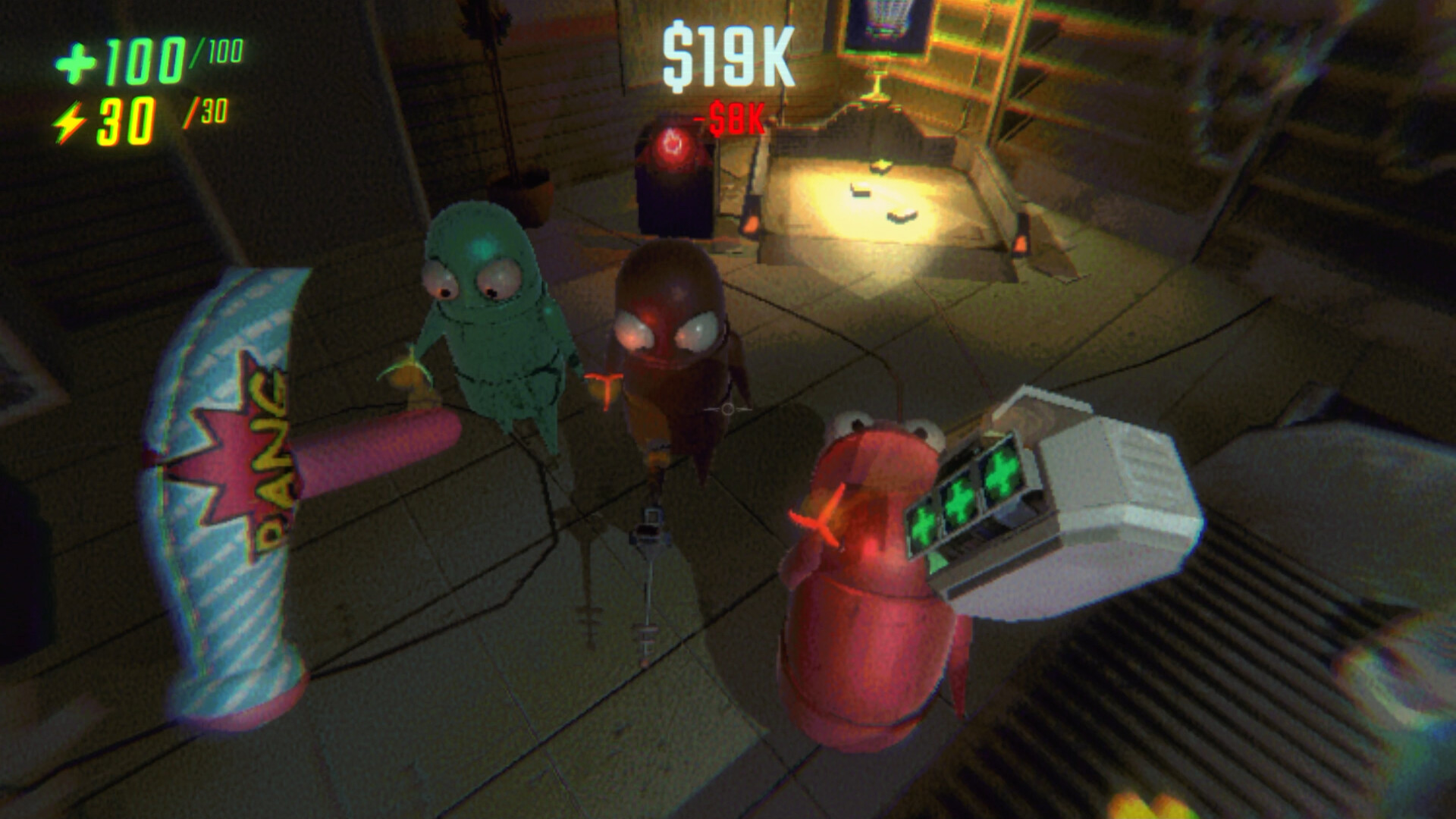
Every map has at least one large monster. Not boss fights in the traditional sense — no health bar, no arena, no phases. They are just bigger, faster, and harder to avoid. They are territorial: enter their zone and they chase.
Strategy: know where they are and stay away. Designate one person as Spotter to track the big monster at all times. When it moves toward your looting zone, everyone relocates. Fighting is possible with upgraded weapons but costs too many resources to be worth it.
Fight or Avoid?
I spent my first twenty hours trying to fight everything. It does not work. R.E.P.O. is not balanced for combat. Ammo is scarce. Health is scarce. Most monsters take more damage to kill than you can safely deliver.
You are a debt collector, not a soldier. Your job is to grab stuff and leave. Killing monsters means your avoidance failed. When you must fight, bring friends. Four Semibots focusing fire kill fast. One Semibot soloing anything bigger than small ambush types dies. Save weapons for emergencies: a monster blocking extraction, a grabbed teammate, the final 60 seconds before the C.A.R.T. arrives.
After enough hours, you still die to monsters you have faced dozens of times. The AI has enough randomness that you cannot perfectly memorize patterns. What changes: your reaction time, your positioning instinct, your sense of when a room is about to go bad. That is the real progression in R.E.P.O. — not better gear, but better judgment.